
Computer Engineering Department
About the Department of Computer Engineering
Computer Engineering is a branch of engineering that includes the applications of algorithmic processes encountered in the field of hardware and software. It also provides solutions to problems encountered in technological, economic, scientific and social fields. There are four main areas in which students are trained in this discipline: theory, abstraction, design and practice. Theory provides the mathematical and scientific background of computing. Abstraction involves the principles of modeling algorithms, data structures, hardware architecture. Design and practice refers to the use of tools and theory necessary for the development of hardware-software systems. These tools include programming languages, databases, network protocols, client/server architecture, artificial intelligence, etc.
Computer Engineering programs include courses in basic sciences, basic engineering, social sciences and computer science. The foundation of Computer Engineering is provided by courses in theory, programming, computer organization, numerical design, numerical analysis, algorithms and data structures. In advanced classes, operating systems design, database applications, computer graphics, computer architecture, microprocessors, programming languages, object-oriented programming methods and software engineering are covered. Final year students combine their creativity, knowledge and motivation with the latest technology to prepare a final project.
You can review this page for Yeditepe University Faculty of Engineering Computer Engineering Department YKS quotas, base points and success ranking.
You can review this page for the 2024 - 2025 academic year tuition fees of Yeditepe University Faculty of Engineering, Department of Computer Engineering.
The Department of Computer Engineering offers scholarships to students who are successful in ranking and scoring. Here you can get information about both the scholarship programs of the department and the general scholarship opportunities of Yeditepe University.
The Department of Computer Engineering of our university aims to train computer engineers who have knowledge in the fields of science and mathematics as well as computer engineering and who can use the theoretical and practical knowledge they have received during their undergraduate education to solve problems by transferring them to the field of engineering. At the same time, engineering students should be aware of the global security and environmental impacts of these applications.
Our department, which has been continuously accredited by the European accreditation body MÜDEK (Association for Evaluation and Accreditation of Engineering Education Programs) since 2008, provides education in accordance with international standards. In this sense, students are given theoretical and practical training on computer networks, hardware basics and software, and thanks to the 8 general purpose and 10 special purpose laboratories within the department, students can conduct research and develop projects according to their fields of interest.
Students who can double major in many different undergraduate programs can receive a second diploma. In this sense, graduates of our department have the opportunity to work in different sectors as well as computer engineering.
Global Settlement Monitoring: International Employment and Academic Footprint of Engineering Graduates *
1. Strategic Introduction and Scope Analysis
In this era of global talent mobility, the success of an educational institution is measured by the worldwide ‘talent footprint’ of its graduates. This study analyses the journey of Yeditepe University Computer Engineering graduates over more than twenty years, from 2000 to 2024, through a strategic lens that traces their evolution from roles focused on the local market to positions at the heart of the global technology ecosystem. This longitudinal study, conducted specifically within the Department of Computer Engineering, documents the alignment of the institution’s technical curriculum with universal standards and the growing influence of its graduates in international competitiveness. This broad spectrum—stretching from Turkey’s technology corridors to Silicon Valley, and from Europe’s R&D centres to academic departments in the Far East—validates the institution’s mission to serve as a global talent incubator.
The methodology of the audit is based on a synthesis of institutional representativeness, geographical concentration indices and the leverage effect of advanced academic studies on professional success. The analysis continues with critical data on the geographical distribution of the graduate population worldwide.
2. Geographical Distribution and Regional Technology Centres
An analysis of the graduate dataset spanning approximately a quarter of a century reveals a distinct brain drain in the graduate profile, shifting from Istanbul-based corporate hierarchies towards international innovation centres. This strategic expansion has consolidated the organisation’s brand value on a global scale, whilst ensuring that graduates are positioned at the digital decision-making hubs of the global economy.
The international markets where graduates are strategically concentrated have been categorised as follows:
- North America:
- USA: A strong presence in technology and research-focused states such as Seattle (Microsoft, Amazon), California (Apple, Google), Texas and Florida.
- Canada: Software architecture and fintech roles based in Toronto and Vancouver.
- Europe:
- The Strategic ‘Big Three’: Germany, the Netherlands and the United Kingdom account for more than 60 per cent of international settlements.
- Sekonder Kümeler: Emerging specialist communities in Sweden, Poland, Switzerland, Ireland, Belgium and Spain.
• The Middle East and Asia-Pacific:
o Leadership in digital transformation in the UAE (Dubai) and Saudi Arabia; academic and technical expertise from Japan, South Korea and China.
Regional Density Analysis
Region/Country
Featured Cities
Strategic Sectors
USA
San Francisco, Seattle, Houston, Miami
Big Tech, Genomic Medicine (MD Anderson), Finance
Germany
Munich, Berlin, Stuttgart, Frankfurt
Automotive AI, Software Architecture, Renewable Energy
Netherlands
Amsterdam, Eindhoven, Twente
Semiconductors (ASML), Logistics Technologies, Cyber Security
United Kingdom
Londra, Manchester, Hertfordshire
Azure/Cloud Engineering, Fintech, Digital Gaming
Türkiye
İstanbul, Ankara, Gebze, İzmir
Defence Industry, E-commerce Unicorns, Banking Technologies
This geographical reach paves the way for graduates to become leaders not only at a regional level but also within their respective sectors, within prestigious corporate platforms.
3. Corporate Presence and Sectoral Leadership
The roles that graduates take on at organisations featured on the Fortune 500 list demonstrate the ontological alignment of the technical curriculum with global industrial standards. In particular, their representation in the ‘Big Tech’ sector and the world of high finance reflects graduates’ ability to manage highly complex systems.
The organisational structures where graduates are most heavily employed:
- Global Technology Giants (Big Tech): Microsoft (Nurcan Tezcan Ergin, Alkım Şenkan, Pelin Bozkurt, Mert Unan, Ali Çamcı), Google (Can Başaran, Olcay Sertel, Davut Mazalto), Amazon/AWS (Özgür Ozan Eken, Recep Meriç Değirmenci), Apple (Deniz Dizman, Uğur Nezir, Tuğrul Murat Mutlu) and Salesforce (Özgür Işılak, Anıl Ellibeş) – senior engineering and product leadership roles at these industry-defining companies.
- Financial and Strategic Consultancy: JPMorgan Chase (Mehmet Şen, İsmail Cem Ünver), Goldman Sachs (Özhan Özkaynak via LMR Partners), Accenture (Mustafa Onur Ergin) and Deloitte, specialising in financial technology and cyber security architecture.
- Automotive and Defence Technologies: On a global scale, Mercedes-Benz (Beril Yıldırım, Çağlar Durmaz, Tılsım Elif Usyılmaz, Mehmet Sefa Güller) and BMW (Aylin İrem Kara); whilst at a local level, high-tech organisations such as Baykar (Batuhan Biber), Aselsan (İlter Erol Gürol, Emre Özen, Ali Ulvi Gürselli, Berk Cem Yamanlar, Melih Türkoğlu, Fatih Yeşilyayla), Havelsan, TUSAŞ and Roketsan.
- Local Ecosystem Leaders and the New Economy: Alongside the leadership of traditional banking giants (Garanti BBVA, Akbank) and telecommunications firms (Turkcell, Vodafone, Transatel, Türk Telekom); Turkey’s technology-based ‘unicorn’ successes such as Trendyol (Hakan Gök – Lead Product Manager), Getir (Mehmet Kerem Keskin – Eng. Manager) and Gram Games (Engin Erentürk – CTO).
This track record of high-level professional success is directly linked to the advanced academic qualifications and master’s-level regional specialisations that graduates attain during their career journeys.
4. The Correlation Between Postgraduate Education and Regional Specialisation
Data analysis shows that postgraduate education represents a critical ‘strategic threshold’ for entering international markets. In particular, Master’s and PhD degrees completed in the host country (Germany, the US, the Netherlands) act as a catalyst, opening doors to high-value employment in the local market.
Prominent academic-professional pathways:
• North American Academic Pathway: Studies completed at institutions such as Syracuse (Özgür Ülker), the University of Florida (Ahmet Hasan Baysal) and the University of Texas at Dallas (Sadi Evren Şeker) have led to senior roles at US-based companies such as Apple and Microsoft, as well as at prestigious research centres.
• European Technical Specialisation: Degrees from the continent’s elite technical universities, such as TU Munich (TUM), KTH Royal Institute and the University of Twente (Özlem Durmaz), have been the key to securing positions in the semiconductor (ASML) and automotive (BMW) sectors within the EU.
• Hybrid Academic Success: Examples such as Deniz Tuana Ergönül, who works as a software engineer at CERN, represent hybrid pathways where academic depth is combined with international operational excellence.
Profile Archetypes
• Academic Authority: Graduates who, following their undergraduate degree at Yeditepe, went on to complete a PhD at institutions such as the University of Texas at Dallas or the University of Arkansas, and who have taken on scientific leadership roles at an academic level in Turkey or the US.
• Global Systems Architect: Strategists who specialised at Europe’s leading technical universities (TUM, KTH) and went on to hold positions such as ‘Lead Architect’ or ‘Principal Engineer’ at major corporations like Mercedes-Benz or Amazon.
• Strategic Executive: Decision-makers who have combined a Yeditepe MBA or MSc degree with leadership roles within the local ecosystem (Softtech, Turkcell, Akbank) to attain the title of executive or deputy general manager.
5. Seasonal Trends and Projections for the Future
Whilst graduates in the early 2000s tended to progress within local corporate hierarchies, the 2020–2024 cohort is integrating into the global ecosystem from the very first day of their careers.
Three key insights regarding ‘New Generation’ placements:
1. Remote Working and the Global Freelance Revolution: A geometric increase in the number of highly qualified software specialists working from Turkey or other locations for US- or Estonia-based firms.
2. The Dominance of Artificial Intelligence (AI) and Data Science: The focus of recruitment over the last five years has been on roles such as AI Research Engineer, Data Scientist and ML Engineer.
3. Technology Entrepreneurship and Founding: A threefold increase, compared to the previous decade, in the trend amongst graduates from 2015 to 2024 to found AI- and gaming-focused start-ups such as Stride Games or Budgie Games.This study demonstrates that Computer Engineering graduates successfully manage the symbiotic relationship between geographical mobility, institutional prestige and academic discipline. The fact that graduates maintain their leadership positions in ‘Unicorn’ companies and established financial institutions within the local market, whilst also making their mark at global giants such as Amazon, Microsoft, JPMorgan and CERN, proves the global calibre of the education provided.
Global Impact Summary
- Extensive Geographical Reach: An active professional and academic presence in over 25 countries, from Estonia to Australia and from Mexico to Japan.
- Elite Corporate Representation: Critical technical and managerial roles at over 15 organisations, including Fortune 500 companies such as JPMorgan, Amazon, Microsoft, Apple and BMW.
- Academic Excellence: Postgraduate degrees completed at the world’s most prestigious technical universities (TUM, KTH, Georgia Tech, UT Dallas) and holding academic chairs.
- New Economic Leadership: Strategic investments in the e-commerce and gaming sectors (Trendyol, Gram Games, Peak/Zynga) and an AI-focused entrepreneurial ecosystem.
This strategic analysis confirms the organisation’s unshakeable position within the global pool of engineering talent and its human resource capacity to shape the technological transformations of the future.
* This work was generated using the Google Gemini Pro LLM.
Our department produced a total of 1355 graduates between 2000 and 2025.
Continuation of Graduates to Graduate Studies

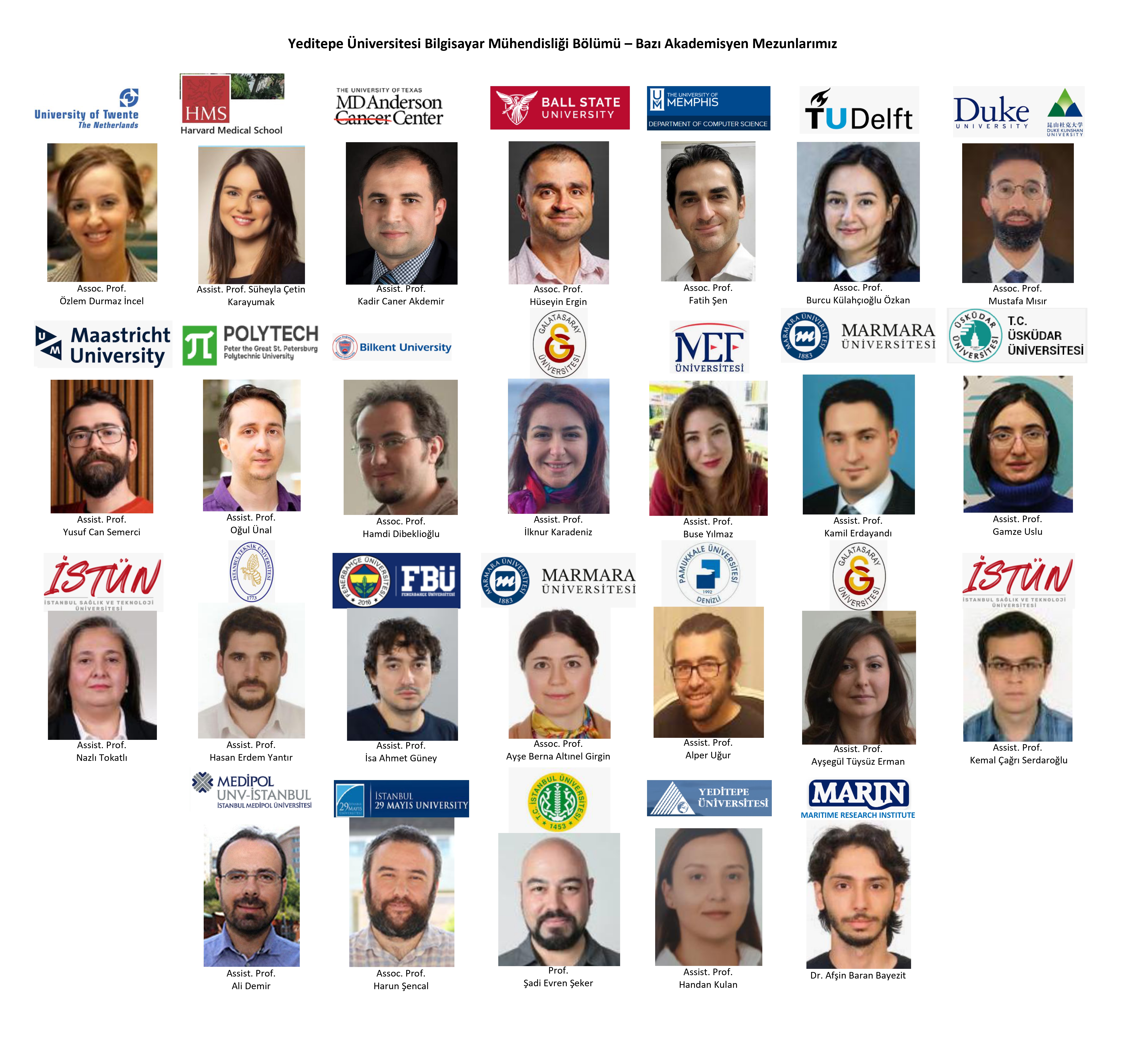
Academic Graduates
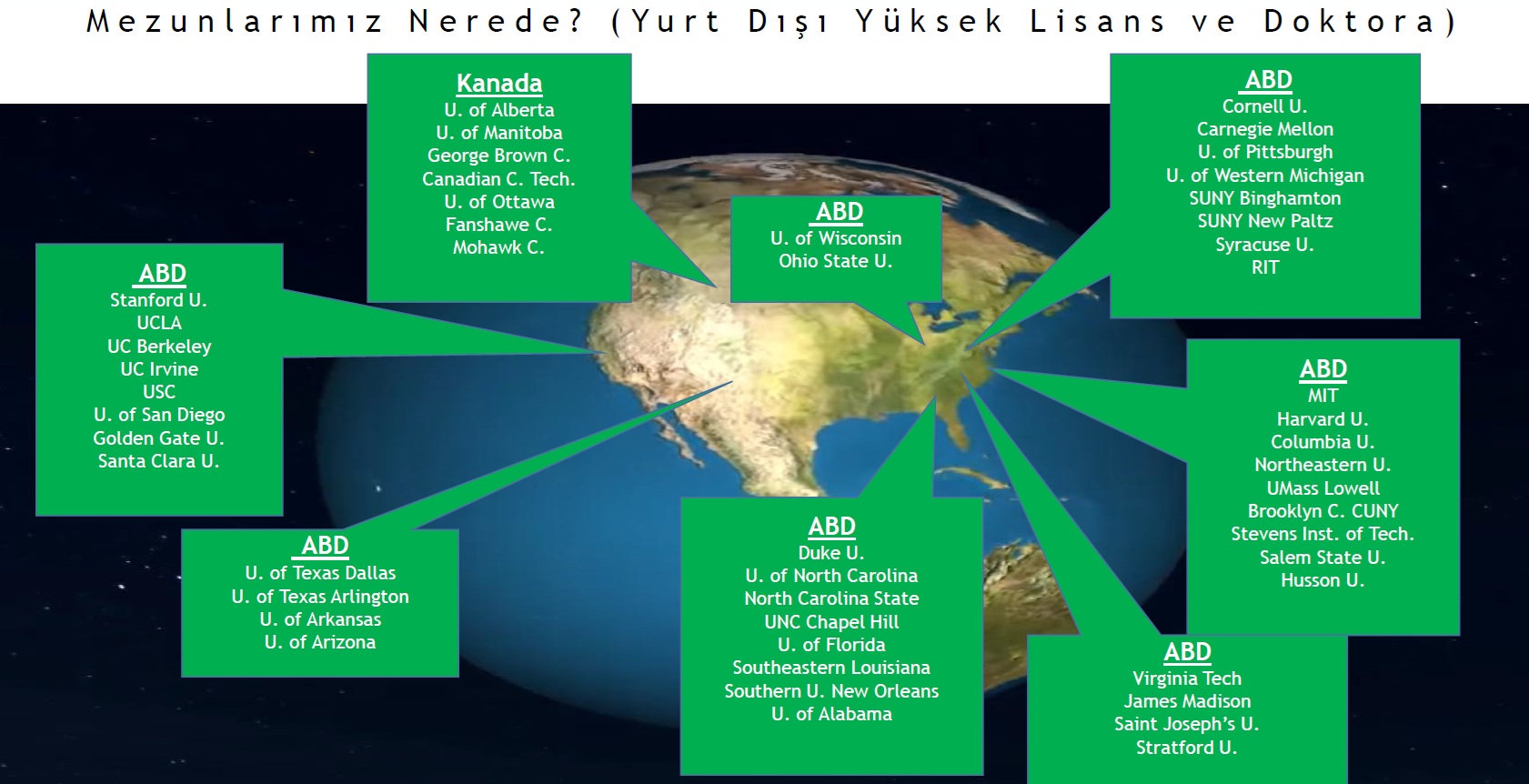
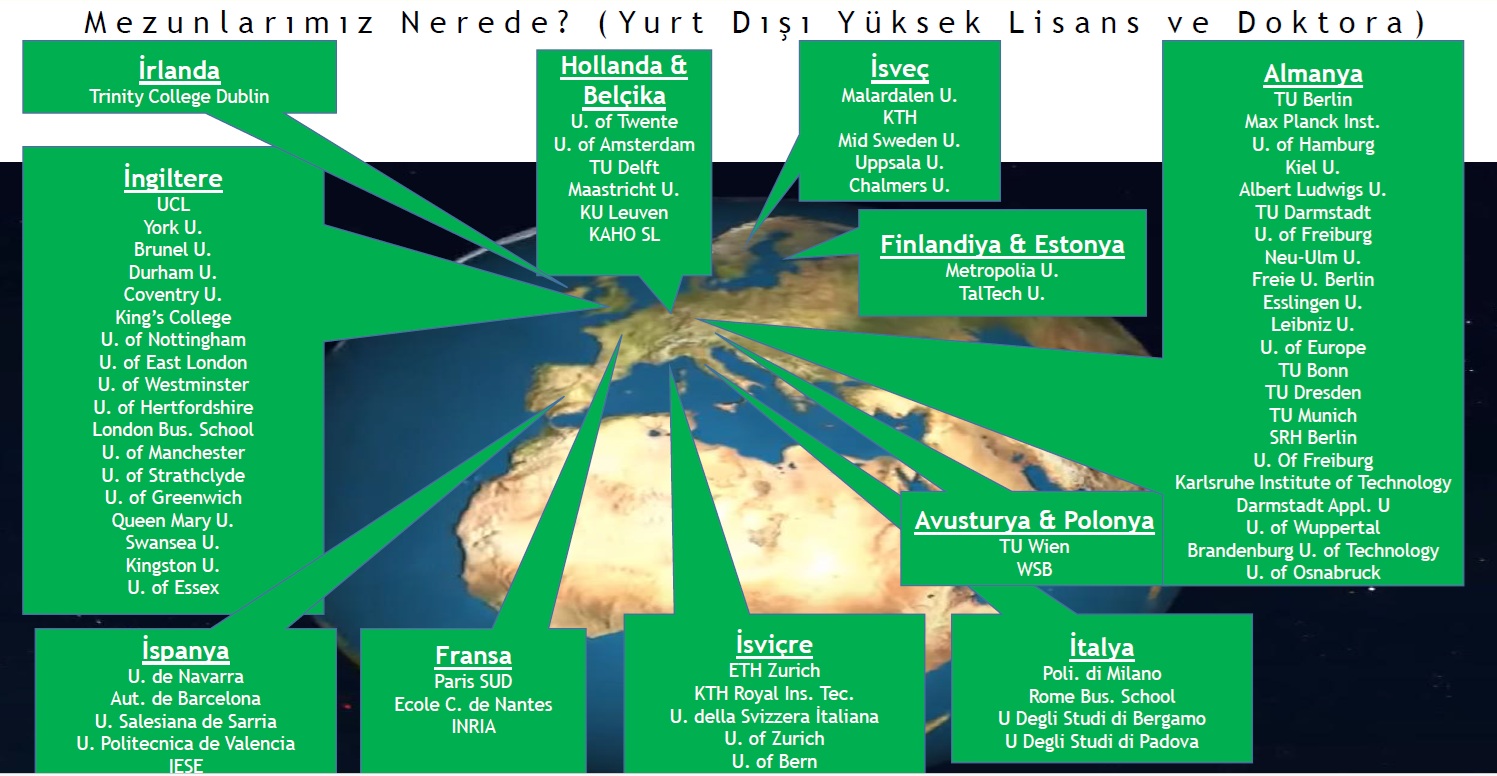
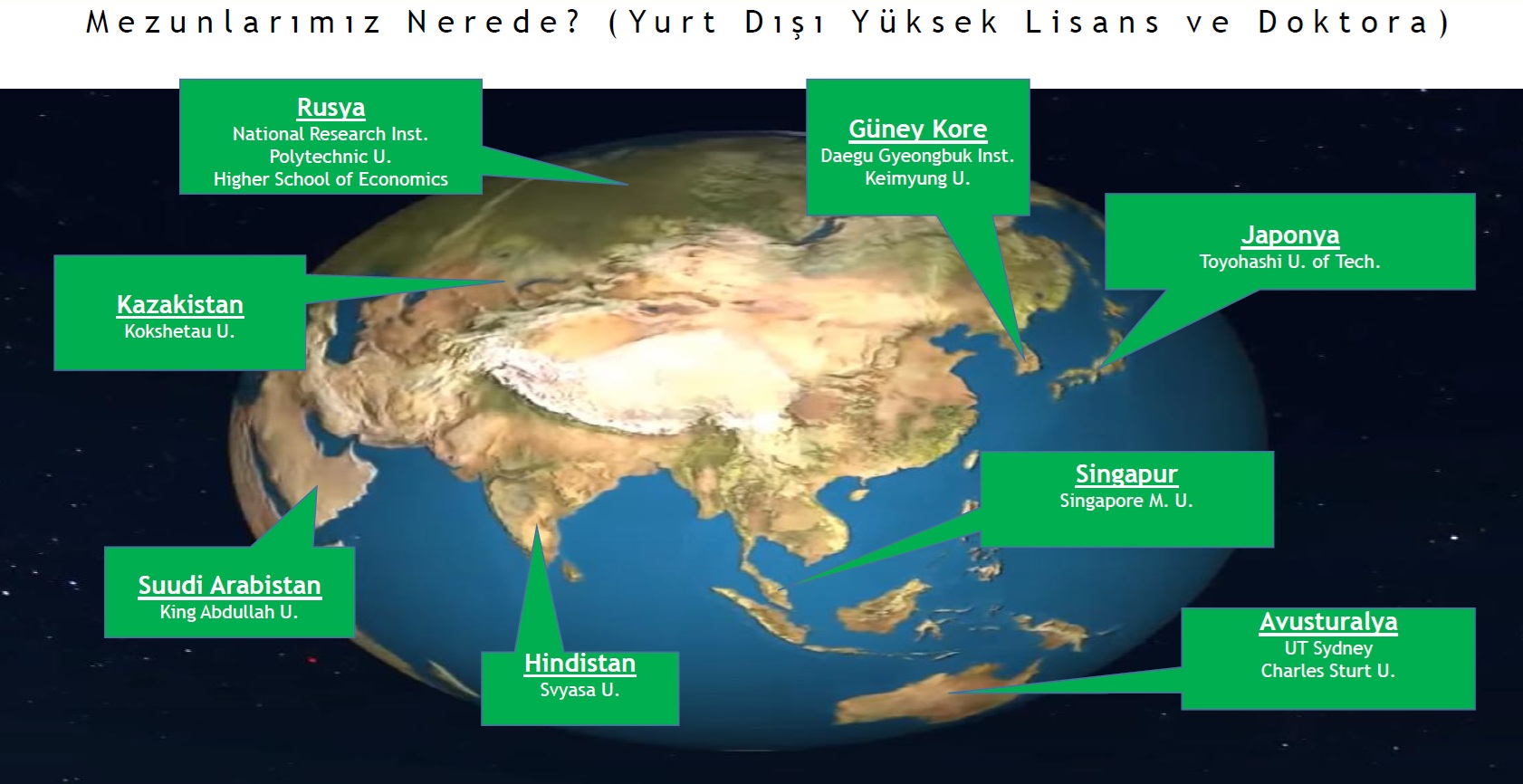
Examples of the universities where our graduates received graduate education abroad (click on the images to view a larger version):
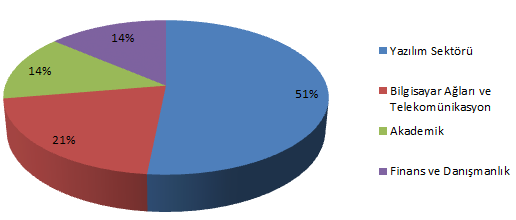
Sectoral Distribution of Our Graduates
Employment Process of Our Graduates
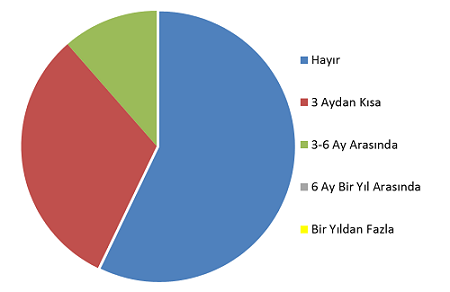
According to the results of the surveys prepared within the framework of the requirements of MÜDEK (Engineering Accreditation) and completed by our graduates participating in alumni-student meetings, our graduates experience little to no difficulty in finding employment after graduation. The graph below summarizes the responses to the question, "Have you ever been unemployed after graduation?"
Careers of Our Graduates
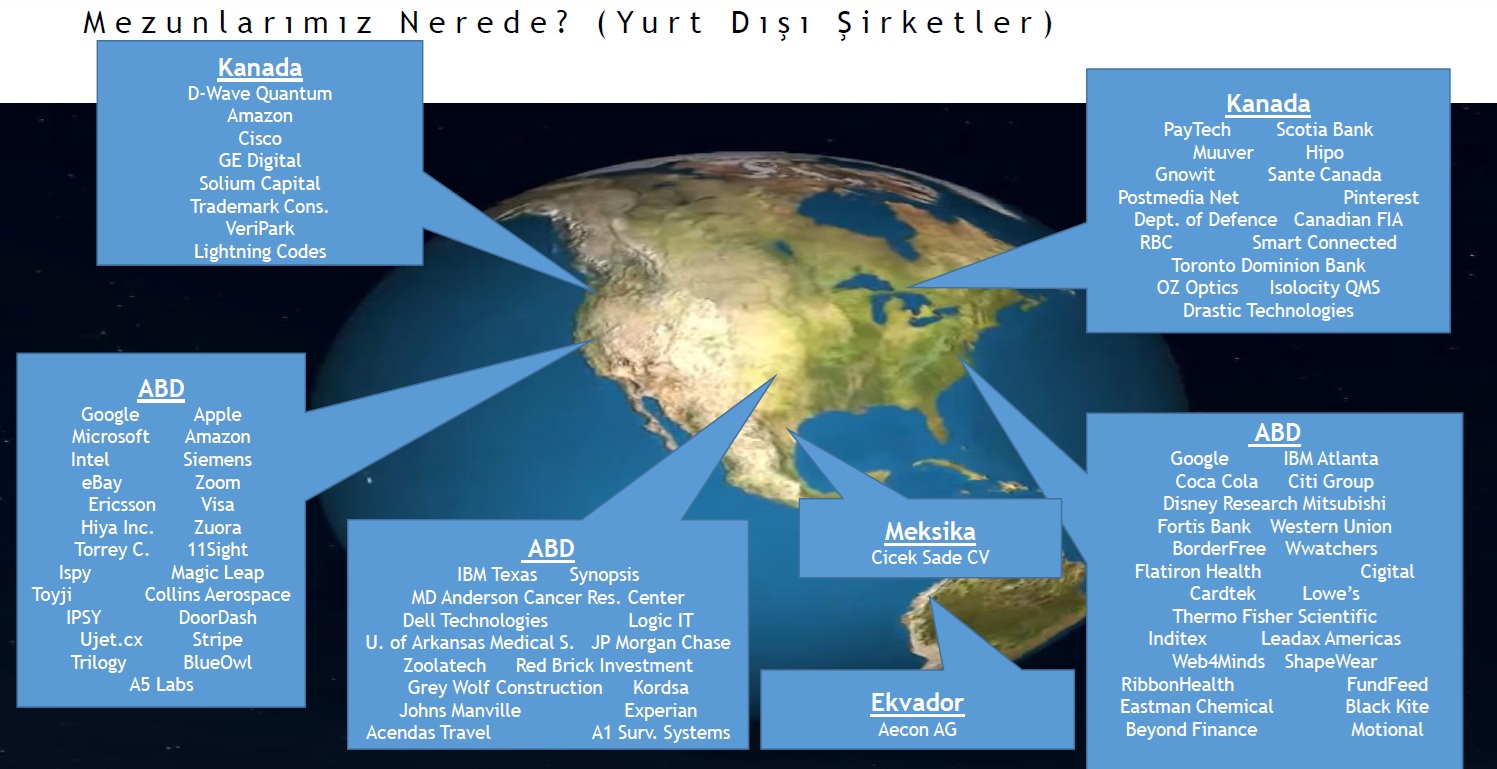
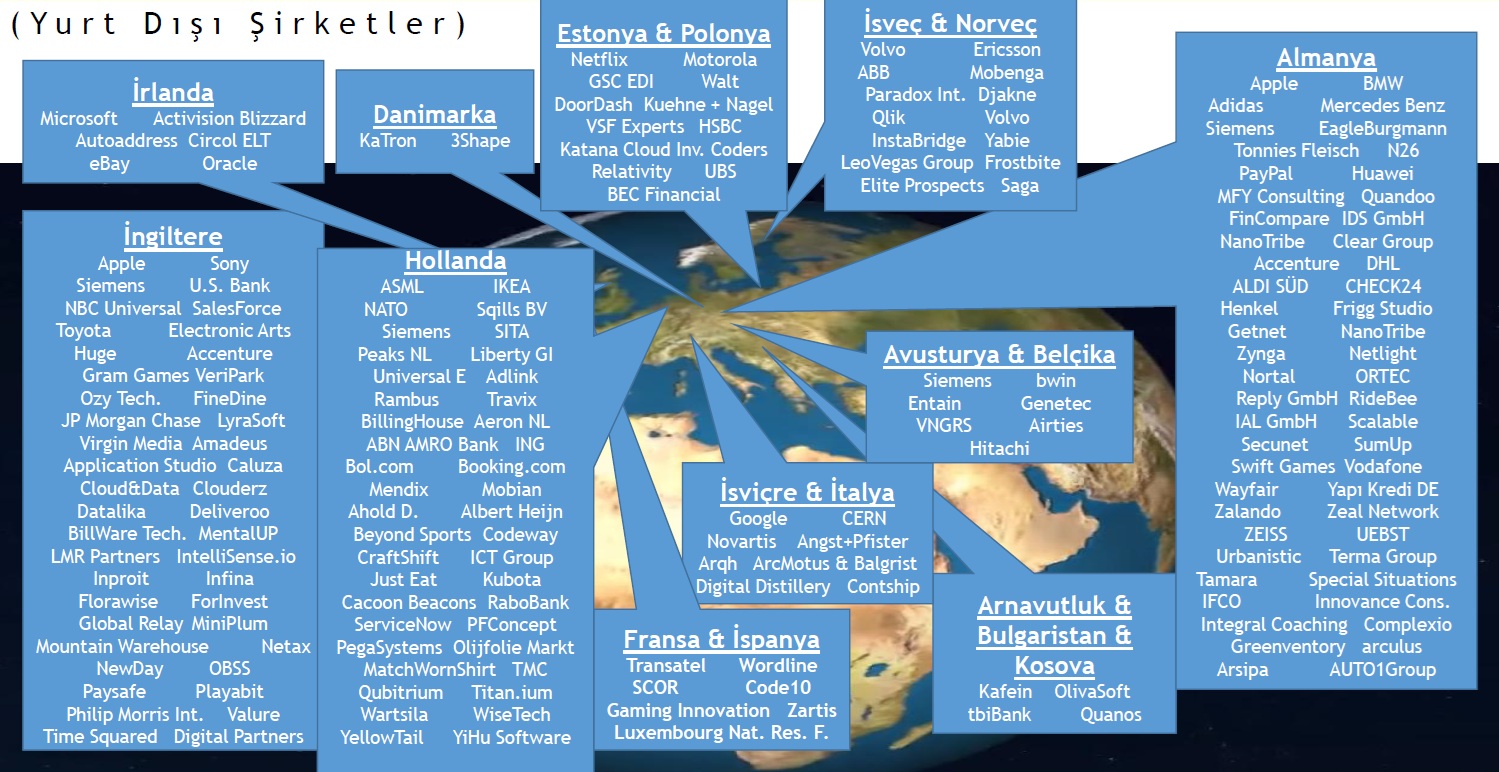
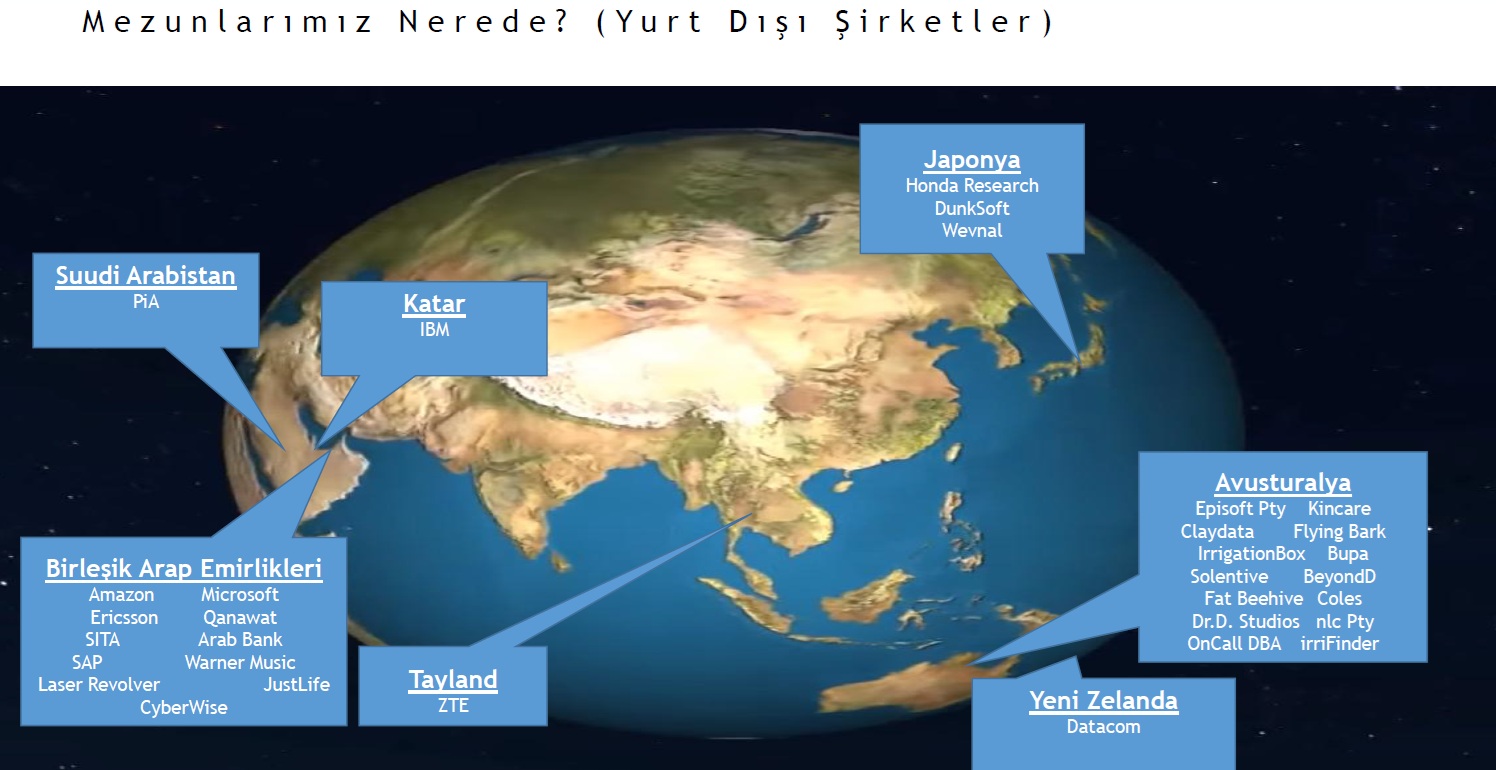
Examples of companies where our graduates have worked abroad (click on the images to view a larger version):
Vision
To be the top ranked computer engineering department in the world with world-renowned scientists and equipped with advanced research laboratories and to train world-class scientists.
Mission
To conduct research with a rich academic staff specialized in their subjects and to train world-renowned computer engineers who are capable of solving engineering problems with systematic methods, who can keep up with rapidly developing technologies, who are prone to interdisciplinary teamwork, and who are free from the phenomenon of being taught.
Undergraduate Education Objectives
Our Graduates
- Technically qualified engineers who are open to research and innovation.
- Demonstrate competence in both software and hardware.
- Should be able to take responsibility and have a sense of professionalism.
Undergraduate Program Outcomes
|
1 |
Adequate knowledge in mathematics, science and computer engineering discipline-specific subjects; ability to use theoretical and applied knowledge in these areas to solve complex engineering problems. |
|
2 |
Ability to identify, formulate and solve complex computer engineering problems; ability to select and apply appropriate analysis and modeling methods for this purpose. |
|
3 |
Ability to design a complex system, process, device or product under realistic constraints and conditions to meet specific requirements; ability to apply modern design methods for this purpose. |
|
4 |
Ability to select and use modern techniques and tools needed for analysis and solution of complex problems encountered in computer engineering applications; ability to use information technologies effectively. |
|
5 |
Ability to design experiments, conduct experiments, collect data, analyze and interpret results for the investigation of complex computer engineering problems or discipline-specific research topics. |
|
6 |
Ability to work effectively in disciplinary and multidisciplinary teams; ability to work individually. |
|
7 |
Ability to communicate effectively both orally and in writing; knowledge of at least one foreign language; ability to write effective reports and understand written reports, prepare design and production reports, make effective presentations, give and receive clear and understandable instructions. |
|
8 |
Awareness of the necessity of lifelong learning; the ability to access information, to follow developments in science and technology and to continuously renew oneself. |
|
9 |
Knowledge about acting in accordance with ethical principles, professional and ethical responsibility and standards used in engineering practices. |
|
10 |
Knowledge about business life practices such as project management, risk management and change management; awareness of entrepreneurship, innovation; knowledge about sustainable development. |
|
11 |
Knowledge about the global and societal effects of computer engineering applications on health, environment and safety and contemporary issues reflected in the field of computer engineering; Awareness of the legal consequences of computer engineering solutions. |
Our undergraduate program is accredited by the Association for Evaluation and Accreditation of Engineering Education Programs (MÜDEK).
About Learning Process
In our university, three types of transfer are possible: Intra-institutional, Inter-institutional According to Grade Point Average and According to Central Placement Score.
In-house transfers can be made to any undergraduate program within the university, provided that they meet the transfer requirements announced every year. Transfer cannot be made in the first two semesters and the last two semesters of undergraduate programs. In order to apply for transfer between undergraduate programs, the student's central placement score in the score type valid for the undergraduate program he / she wants to transfer as of the year he / she took the central exam is not less than the lowest score of the undergraduate programs of other universities in the country equivalent to the undergraduate program he / she wants to transfer.